 WhatsApp: +86-13379040254
Welcome to Lingkang Times Biology
 Shaanxi Lingkang Times Biotechnology Co., LTD
WhatsApp: +86-13379040254
Shaanxi Lingkang Times Biotechnology Co., LTDIf you source food and beverage ingredients, you have likely seen “natural flavors” and “natural extracts” listed on product spec sheets. Many buyers mix up these two terms, even though they serve slightly different roles in formulation. In this guide, we break down their definitions, production methods, key differences and common commercial uses for food manufacturers, bakeries, beverage brands and confectionery producers.
Natural flavors are flavoring substances made from edible natural raw materials. Raw sources can include fruits, vegetables, herbs, spices, roots, edible yeast, dairy, seafood and other food-grade materials. Manufacturers use physical, enzymatic or mild fermentation processes to capture aromatic and taste compounds from these starting materialsGovInfo.
Under standard food labeling rules, natural flavors include essential oils, oleoresins, distillates, hydrolysates and concentrates derived from those natural feedstocks. Their core function is to add, boost or balance taste and aroma in finished products. They do not act as nutritional additives.
A common misunderstanding: “natural” does not mean zero processing. Raw plant or fruit materials often go through filtering, concentration or separation to isolate target flavor notes. Natural flavors are widely formulated blends, tailored to deliver consistent flavor profiles across large batch production.
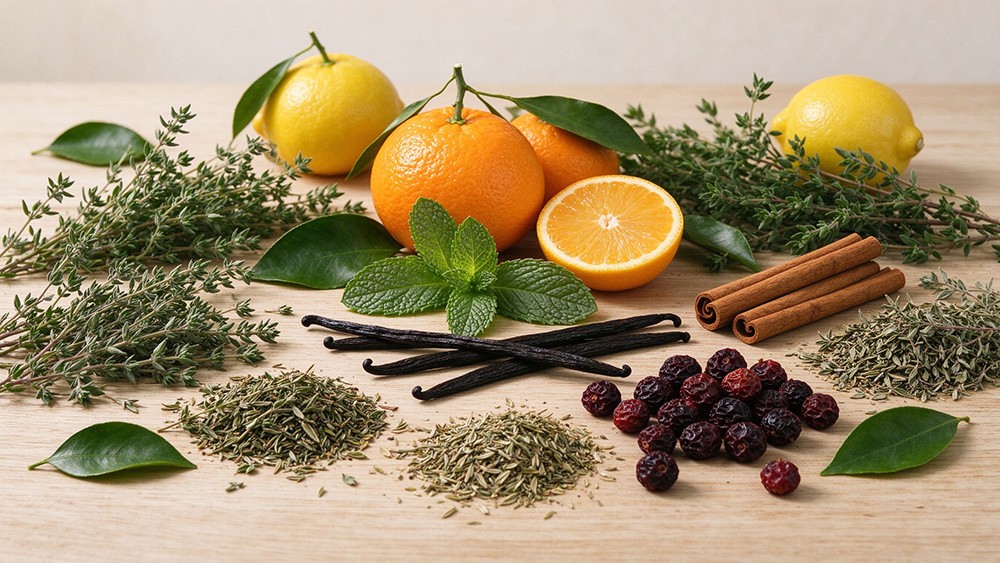
Natural extracts are one subset within the broader natural flavor family. They are produced by soaking raw plant or fruit materials in a solvent such as food-grade alcohol or purified water, then filtering out solid residues to retain soluble flavor compounds. Vanilla extract and mint extract are two classic examples familiar to most food makers.
Extracts usually carry a simpler, more direct flavor profile that closely mirrors the original raw material. Many clean-label projects prefer natural extracts because their ingredient lists tend to be shorter and easier to explain to end consumers. They are popular in baking, craft drinks, ice cream and premium confectionery.
It helps to think of it this way: all natural extracts count as natural flavors, but not all natural flavors are extracts.
Natural extracts: Produced mainly via solvent infusion; flavor is relatively true to the source raw material. The composition is simpler.
Natural flavors: A wider category. They can be extracts, essential oils, oleoresins, distillates or custom blended mixes. Flavors can be combined to create complex taste profiles you may not find directly in a single raw ingredient.
The most widely used commercial processes include:
Solvent extraction: Raw materials steep in food-safe solvents to dissolve flavor molecules, followed by filtration and concentration.
Steam distillation: Mostly used for essential oils from herbs and citrus peels.
Enzymatic treatment: Uses food-grade enzymes to unlock natural aroma compounds from plant or dairy feedstock.
Fermentation: Controlled fermentation generates desired flavor notes from edible starting materials.
Every production step follows food safety standards to remove unwanted residues and keep flavor performance stable during shelf storage.
Our global clients use natural flavors and extracts across many finished product lines:
Beverages: Fruit drinks, sparkling drinks, ready-to-drink teas, functional drinks and syrups
Bakery: Cakes, cookies, muffins, fillings and premix powders
Confectionery: Hard candy, chocolate, gummies and chewing gum
Dairy & frozen treats: Yogurt, ice cream and cream-based desserts
Savory food: Seasoning mixes, sauces, ready meals and snack coatings
For large-scale production, natural flavors offer consistent taste batch after batch. Natural extracts shine when brands want simple, transparent ingredient statements for clean-label marketing.
When selecting natural flavors or extracts for your recipe, check these practical points first:
Solvent carrier type: Alcohol, glycerin or water base affects compatibility with your product matrix.
Heat stability: Some flavors break down under high baking or pasteurization temperatures.
Label compliance: Confirm the ingredient naming meets target market labeling rules (FDA, EU food regulations or other regional requirements).
Allergen status: Review allergen declarations for cross-contact risks.
Usage dosage: Natural flavor strength varies greatly, so run small formulation trials before full production.
Natural flavors and natural extracts are versatile food ingredients that help brands build authentic taste experiences while meeting rising market demand for naturally sourced flavoring options. Whether you need a simple vanilla extract for clean-label ice cream or a custom blended natural fruit flavor for beverage lines, understanding these two categories helps you pick the right ingredient for your product goals.
If you want bulk supply or custom formulation support, reach out to our team for detailed technical data sheets and sample arrangements.
Disclaimer: This page shares general ingredient information only. It is not food regulatory or product development advice. Always verify compliance with your local food authority before launching finished goods.