![Shaanxi Lingkang Times Biotechnology Co., LTD]() Shaanxi Lingkang Times Biotechnology Co., LTD
Shaanxi Lingkang Times Biotechnology Co., LTD

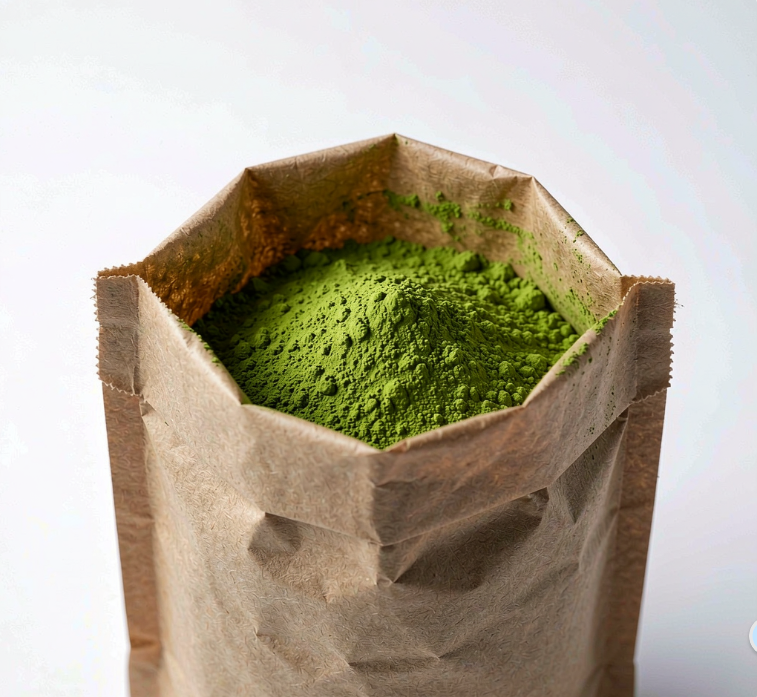
If you source matcha powder in bulk, you've probably seen the same 25kg kraft bag quoted at
Matcha Is Not Fine-Ground Green Tea
This is the single most common confusion in the category, and it's where low-grade suppliers make their margin.
Real matcha comes from tea leaves shaded for at least 20 days before harvest. Shading pushes chlorophyll and L-theanine up by 1.5–2x compared to ordinary green tea. The leaves are steamed (not pan-fired), dried, and stone-milled at low temperature. The result: a vivid jade color, a natural umami-sweetness, and that characteristic seaweed note.
Green tea powder is ordinary tea leaf, dried and pulverized. It looks yellowish-olive, tastes flat and astringent, and has almost none of the amino acid profile buyers pay for.
Before you compare prices, compare the spec sheet:
Shading: was the tea covered 20+ days pre-harvest? This drives color and theanine.
Steaming: steam-kill keeps the green. Pan-fired leaf goes dull.
Cultivar: Yabukita, Okumidori, Longjing 43 — each has a different flavor and cost profile.
Swap any one of these for ordinary green tea and the cost drops by half. So does the quality.
The 4 Specs That Actually Matter
Mesh size (fineness)
Below 1000 mesh works for baking. 1500–2500 mesh suits beverages and ice cream, where suspension and mouthfeel matter. Above 3000 mesh is premium micro-milled material. About 80% of B2B orders land in the 1000–1500 range — the sweet spot between cost and performance.
L* color value
L* ≥ 60 is genuinely "jade green." L* 50–55 is industry-standard. Every 5 points of L* roughly doubles raw material cost. If your product is a beverage or bakery item where the green IS the selling point, this is the number to negotiate on.
L-theanine / EGCG content
These two compounds define functionality. Commodity matcha runs 1.2–1.8% theanine; premium lots reach 2.5%+. Functional-food buyers should focus on EGCG and caffeine numbers.
Batch consistency
The biggest risk in bulk matcha is not one bad lot — it's lot #3 looking nothing like lot #1. A reliable factory can show you color value, moisture, and plate count across three consecutive batches, not just one certificate of analysis.
Matching the Grade to Your Application
Baking and ice cream
1000–1500 mesh is sufficient. Ask for color-retention data after 10 minutes at 180°C — this directly predicts how your finished product will look on shelf.
RTD beverages and drink mixes
Go 1500–2000 mesh. The test: disperses in cold water within 30 seconds, no visible sediment, no heavy clumping on the cup wall.
Supplements and tablet pressing
Specs to demand: EGCG content, 230+ pesticide residue panel, heavy metals (Pb, As, Cd, Hg). This tier of buyer only works with SC-certified factories that provide full third-party documentation.
How to Tell a Real Source Factory from a Middleman
Don't read the brochure. Ask for three things:
Photos or video of the raw material base — you should see shading nets and harvest, not just a warehouse.
The processing line in operation — steaming equipment and low-temperature mills (stone mill or jet mill) are the core sections.
Export documentation or sales records from the current year. A trader can fake the first two; the third they either can't produce or it's a resold contract.
Need Samples or a Quote?
Shaanxi Linkang Times Biotechnology is a source manufacturer of plant extracts — stevia glycosides, tangerine peel extract, matcha powder, and other food-and-medicine-homologous raw materials. Our matcha line covers shaded raw material sourcing, steam fixation, and low-temperature grinding up to 2500 mesh, with 800 tons annual capacity.
We support OEM/ODM, third-party testing, and full-container export. Tell us your application and mesh requirement — we'll send a spec proposal and sample arrangement the same day.
Frequently Asked Questions
Q: How do I tell matcha powder from green tea powder?
A: Matcha comes from leaves shaded 20+ days before harvest, steam-fixed and low-temperature milled — jade green with an umami, seaweed-like aroma. Green tea powder is ordinary leaf, dried and ground — duller color, visibly astringent taste.
Q: What test reports should food-grade matcha powder come with?
A: Standard: moisture, ash, total plate count, coliforms, yeast and mold. For export: 230+ pesticide residues, heavy metals (Pb, As, Cd, Hg), and a nutritional panel including theanine, EGCG, and caffeine, from a third-party lab.
Q: What mesh sizes are available for custom matcha powder?
A: Industrial grades run 1000 to 3000 mesh. Baking and ice cream: 1000–1500. Beverage and drink mixes: 1500–2000. Premium RTD and supplement applications: 2500 and above.