![Shaanxi Lingkang Times Biotechnology Co., LTD]() Shaanxi Lingkang Times Biotechnology Co., LTD
Shaanxi Lingkang Times Biotechnology Co., LTD

Formulators and bulk ingredient buyers working on cellular‑health, healthy‑aging, cognitive‑support and antioxidant supplement lines frequently look up the search question: how big is the fisetin extract market size.
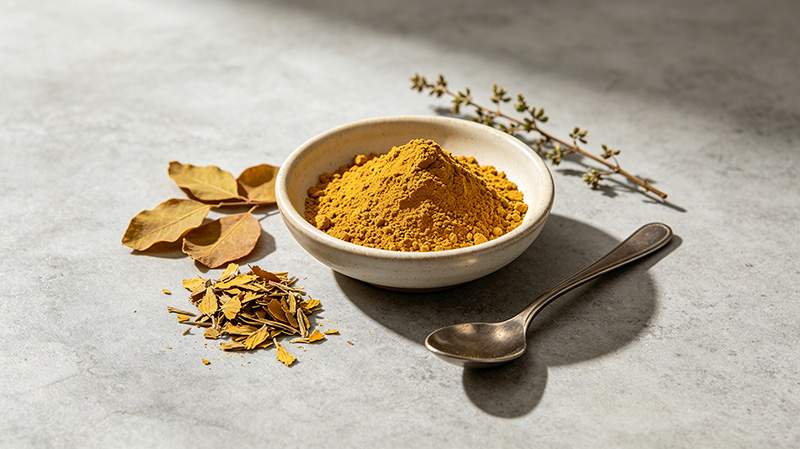
Fisetin, also called non‑fisetin, is a bioactive flavonol compound mainly extracted from Cotinus coggygria raw material. High‑purity fisetin extract powder is widely used in senolytic‑focused dietary supplements, skincare raw materials and functional‑food formulas. As consumer interest in natural cellular‑health ingredients rises, the fisetin extract market has moved from niche research‑grade material toward mainstream commercial raw‑material status. Understanding real‑world market scale, growth drivers and existing industry pain points helps procurement teams and R&D departments make better sourcing and product‑development decisions.
Global Fisetin Extract Market Size & Growth Forecast
Fisetin belongs to the fast‑growing senolytic‑ingredient segment within the global nutraceutical market. Multiple industry research institutions publish slightly different figures due to different statistical boundaries, whether counting only raw‑material sales or including finished‑product turnover.
From raw‑material perspective, the global fisetin extract market was valued at roughly USD 308 million in 2026. Projections indicate it will reach around USD 758 million by 2036, with a compound annual growth rate (CAGR) of approximately 9.4 % across the forecast period. If finished consumer supplements containing fisetin are included in statistics, market‑size figures will show much higher values.
North America currently holds the largest regional market share, driven by high consumer acceptance of healthy‑aging supplements and abundant finished‑product launches. Western Europe follows as the second‑largest consumption area. The Asia‑Pacific region shows the fastest‑growing momentum, supported by expanding domestic nutraceutical capacity and rising consumer awareness of cellular‑health nutrition.
For the Chinese domestic market, the fisetin extract sector maintains a high‑speed growth track. Driven by both domestic functional‑food demand and large‑volume export orders, market expansion outpaces the average growth rate for general natural‑flavonoid raw materials. A large share of domestically produced high‑purity fisetin powder is exported to North America, Europe and Southeast Asia for supplement manufacturing.
Key Factors Driving Fisetin Extract Market Expansion
1. Rising Consumer Demand for Natural Healthy‑Aging Ingredients
More consumers are shifting focus from basic antioxidant supplementation toward ingredients targeting cellular‑health maintenance. Pre‑clinical research outputs around fisetin have boosted brand‑side willingness to launch related finished goods. Brands keep rolling out single‑ingredient capsules as well as multi‑active compound formulas blended with quercetin, resveratrol and other botanicals, continuously lifting raw‑material consumption volume.
2. Progress in Industrial Production Technology
Earlier fisetin production faced low‑yield and high‑cost obstacles. Optimized plant‑extraction and purification processes now support stable large‑batch manufacturing of ≥98 %‑purity fisetin powder. Improvements in production capacity have gradually lowered unit costs, making large‑scale commercial application feasible for mid‑size and small‑size supplement manufacturers.
3. Expanding Application Scenarios Beyond Oral Supplements
Apart from dietary‑supplement use, fisetin extract is gradually adopted in anti‑photo‑aging skincare formulations and special‑diet‑food projects. Diversified downstream demand further fuels overall market growth. Liposomal and micro‑encapsulated modified‑form fisetin products also create new high‑value market segments, solving the limitation of poor native‑powder bioavailability.
Main Industry Challenges Restricting Market Growth
Even with strong growth momentum, the fisetin extract market still faces clear constraints that buyers need to understand.
First, most supporting research for fisetin’s senolytic effects comes from pre‑clinical trials. Human clinical data remains limited. Every region sets strict rules for allowed label claims. Brands cannot use disease‑treatment statements and must stick to general nutritional‑support descriptions on finished‑product packaging.
Second, ordinary fisetin powder features low water solubility and low oral bioavailability. Many finished‑product developers encounter absorption‑related formulation difficulties. Only suppliers with mature modified‑delivery‑system capacity can offer optimized‑performance grades, which creates technical barriers for the whole industry.
Third, market‑end product quality varies widely. Some low‑grade supplies suffer from unstable purity and impurity‑control risks. Third‑party testing and complete COA documents become essential prerequisites for bulk purchasing.
Major Downstream Application Segments for Fisetin Extract
1. Cellular‑Health & Healthy‑Aging Dietary Supplements
This represents the largest‑consumption segment. Products include high‑purity single‑ingredient capsules, multi‑botanical compound tablets and powder blends. Most finished goods target middle‑aged and senior groups focused on long‑term cellular‑health maintenance.
2. Cognitive‑Support Antioxidant Formulas
Fisetin extract is blended into brain‑care supplement lines, matching other nootropic raw materials to deliver comprehensive antioxidant and neuro‑protective nutritional support.
3. Cosmetic & Skincare Raw‑Material
Fisetin extract can be added into anti‑photo‑aging serums and creams, leveraging its antioxidant capacity to mitigate UV‑triggered skin oxidative damage.
4. Functional Gummies & Special‑Diet Food
Modified‑solubility fisetin grades are applied in functional gummies and special‑diet‑food formulas, expanding product‑form choices for consumers who dislike swallowing capsules.
Sourcing Checklist for Fisetin Extract Buyers
1. Verify purity‑test documentation: Request HPLC third‑party test reports to confirm fisetin purity; ≥98 % grade is the mainstream specification for nutraceutical‑grade bulk orders.
2. Check safety compliance: Confirm heavy‑metal, residual‑solvent, pesticide‑residue and microbial‑limit indicators meet food‑grade standards. Obtain full COA before large‑volume procurement.
3. Distinguish product grades: Ordinary high‑purity powder suits capsules and tablets. Select liposomal or micro‑encapsulated variants if you need improved bioavailability.
4. Pay attention to impurity‑control capacity: Fisetin purification processes generate multiple related‑substance impurities. Prioritize suppliers with stable‑process control.
5. Storage guidance: Seal tightly, store under cool, dry and dark conditions; avoid high‑temperature exposure to prevent active‑substance degradation.
Final Conclusion
So, how big is the fisetin extract market size?
The fisetin extract market sits in a rapid‑growth phase within the global natural‑nutraceutical raw‑material sector. Market expansion is driven by consumer demand for cellular‑health and healthy‑aging ingredients, advances in purification‑production technology and expanding downstream application scenarios. Meanwhile, limited human clinical data, low native‑powder bioavailability and uneven market‑wide quality act as major restraining factors. It is widely deployed in cellular‑health supplements, cognitive‑support formulas, anti‑aging skincare and functional‑gummy products.
Product developers must strictly follow local regulatory requirements for label claims. Do not overstate clinical‑effect descriptions on finished‑product packaging.
If you are sourcing stable‑quality fisetin extract with complete test documents and competitive wholesale pricing, please get in touch with our team. We provide free samples, detailed technical datasheets and flexible bulk‑order cooperation solutions.