![Shaanxi Lingkang Times Biotechnology Co., LTD]() Shaanxi Lingkang Times Biotechnology Co., LTD
Shaanxi Lingkang Times Biotechnology Co., LTD

Product developers working on cognitive support supplements, stress‑management formulas, senior wellness products and sports nutrition frequently hit this core search keyword: phosphatidylserine benefits.
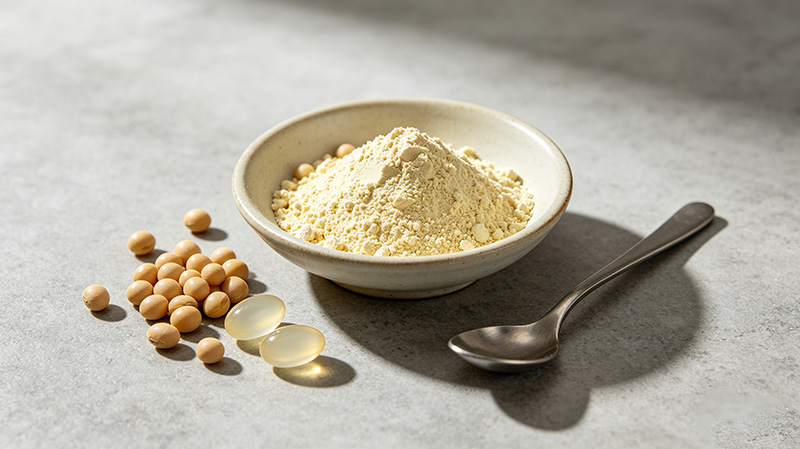
Phosphatidylserine, often shortened to PS, is a naturally‑occurring phospholipid substance present within human cell membranes. Modern commercial phosphatidylserine extract is mostly obtained from soy lecithin through enzymatic conversion processes. Manufacturers refine raw materials and produce standardized powder with defined phosphatidylserine content. Compared with early animal‑brain‑derived sources, plant‑sourced soy‑based PS delivers stable safety performance and better batch consistency. For bulk ingredient purchasers and R&D teams, understanding real‑world application value helps develop competitive finished consumer goods.
Core Functional Mechanism of Phosphatidylserine
As a key component of cell membranes, phosphatidylserine maintains membrane fluidity and signal transmission efficiency inside brain nerve cells. It participates in neurotransmitter release and supports normal neuron communication. It also takes part in the body’s stress‑related hormone regulation. Commercial raw materials are normally standardized by phosphatidylserine percentage. Common HPLC‑tested specifications include 20 %, 50 % and 70 % PS powder. Well‑managed production processes avoid oxidation damage to phospholipid molecules and keep active components stable throughout shelf life.
Key Phosphatidylserine Benefits for Supplement Development
All practical advantages stem from its role supporting cell‑membrane health in nerve tissue and regulating physiological stress response. Below are the main benefits formulators consider for finished‑product design.
1. Support Cognitive Function & Daily Brain Performance
Normal ageing and prolonged mental workload may bring mild changes to focus, memory and information processing speed. Phosphatidylserine helps sustain healthy nerve‑cell membrane function, supporting daily memory, concentration and mental clarity. It is widely added into brain‑health supplements targeted at middle‑aged and senior groups, as well as for office workers facing heavy mental pressure. It serves as daily nutritional support rather than therapeutic intervention.
2. Maintain Healthy Stress‑Hormone Balance
Under sustained mental pressure, the human body may produce excess cortisol. Phosphatidylserine helps modulate cortisol levels that already sit within normal physiological ranges. It assists users in easing mental fatigue caused by long‑term stress. Many anti‑stress compound formulas combine phosphatidylserine with magnesium, L‑theanine and ashwagandha to deliver comprehensive stress relief support.
3. Support Sports Recovery & Moderate Exercise‑Induced Stress
For fitness enthusiasts and athletes, high‑intensity training triggers physiological stress response. Research indicates phosphatidylserine helps moderate exercise‑driven cortisol elevation, supporting post‑workout recovery. It is integrated into sports‑nutrition supplement lines, paired with branched‑chain amino acids and other recovery‑focused raw materials.
4. Support Mood Wellness Linked to Mental Overload
Continuous mental burden can affect daily emotional state. By supporting nerve‑cell communication and helping stabilize stress‑hormone response, phosphatidylserine delivers auxiliary nutritional support for mood comfort. It is often part of multi‑ingredient wellness blends for people dealing with busy work and study schedules.
Major Industrial Application Scenarios
1. Cognitive‑Health Dietary Supplements
This is the largest market segment for phosphatidylserine. It appears in single‑ingredient capsules, compound brain‑care tablets and mixed‑herbal powder blends. Finished products target middle‑aged, elderly populations and high‑intensity mental workers, positioned for daily brain nutrition maintenance.
2. Stress & Mental‑Fatigue Relief Nutraceuticals
Phosphatidylserine is frequently compounded with L‑theanine, GABA, magnesium and plant adaptogens. These finished products serve office workers, students and groups under long‑term pressure. Brands must follow local regulatory requirements and avoid over‑stated medical‑related claims.
3. Sports‑Nutrition Supplement Products
PS powder is added into post‑workout recovery capsules, fitness powders and sports softgels. It focuses on physiological stress balance after high‑intensity exercise, expanding application outside brain‑health categories.
4. Functional Gummies for Brain & Stress Support
Food‑grade phosphatidylserine powder can be made into brain‑support or stress‑relief gummies. Gummy formats attract consumers who dislike swallowing hard capsules. Sweet‑flavour excipients cover the faint lipid‑like taste of phospholipid raw materials.
5. Infant & Adult Functional Food Additives
High‑purity food‑grade phosphatidylserine can be applied in special‑diet food projects. Formulators need to strictly comply with local food additive usage limits and scope of application.
Soy‑Derived Phosphatidylserine vs Animal‑Source Phosphatidylserine
Early phosphatidylserine raw material was extracted from animal brain tissue. Such animal‑sourced material carries higher safety risks and supply‑chain instability. Modern mainstream commercial PS is produced from soy lecithin via biocatalytic enzymatic reaction.
Soy‑based phosphatidylserine features stable batch‑to‑batch active content, clear impurity control and lower safety risks. It meets clean‑label and vegetarian‑friendly requirements and becomes the dominant raw‑material choice for global nutraceutical manufacturers.
Practical Sourcing Checklist for Phosphatidylserine
1. Verify active‑substance test documents: Request HPLC test reports for phosphatidylserine content to confirm batch consistency.
2. Inspect safety indicators: Qualified raw material meets food‑grade standards for heavy metals, microbial limits and oxidation‑related indexes. Obtain full COA documents before bulk purchasing.
3. Confirm raw‑material source: Prioritize soy‑lecithin‑based enzymatically converted phosphatidylserine for stable supply and safety.
4. Select suitable specification: Choose matching PS content (20 % /50 % /70 %) according to finished‑product formula dosage design.
5. Storage guidance: Seal powder tightly, store under cool and dry conditions, avoid high temperature and air exposure to prevent phospholipid oxidation.
To sum up, what are the core phosphatidylserine benefits?
Phosphatidylserine is an important phospholipid raw material mostly produced from soy lecithin. Its key supplement‑related benefits include supporting daily cognitive performance, maintaining balanced stress‑hormone levels, assisting sports recovery and offering auxiliary support for mood wellness under mental overload. It is widely used in cognitive‑health supplements, stress‑relief formulas, sports‑nutrition products, functional gummies and special‑diet food projects.
As public attention toward brain health and stress management keeps rising, plant‑source phosphatidylserine maintains strong market demand. All label claims must comply with local food regulatory rules during product development.
If you are sourcing certified, stable‑quality phosphatidylserine with complete test documents and competitive wholesale prices, get in touch with our team. We supply free samples, detailed technical datasheets and flexible bulk‑order cooperation solutions.